With the release of this year’s instructive Behre Dolbear “Where Not to Invest” study, a report that ranks – among other things – the time it takes to bring new mines online in various nations, it comes as no surprise to see that the United States has tied with Papua New Guinea for the second year in a row for most challenging permitting approval process.
The lengthy time it takes to undergo environmental permitting and the regulations process of various states reaches far beyond the mining sector. Around the country, projects ranging from real estate development to energy exploration are being slowed by state and federal permitting processes that too often are delayed for years by government inaction and political pressure from NIMBY (not-in-my-back-yards) opposition and environmentalists. A survey of current projects across various industries gives a glimpse into the bureaucratic red tape and political pressure that is slowing down the permitting process for many good projects:
- Perhaps one of the most prominent examples is the Keystone XL Pipeline to connect the tar sands of Alberta, Canada, with the Gulf Coast. With the pipeline crossing an international border, the decision technically rests with the State Department but much of the delay is the result of the Environmental Protection Agency’s (EPA), review under the National Environmental Policy Act (NEPA). The project is suffering from “further review” syndrome that is largely the result of political pressure on the agency. Many agencies under political pressure use studies as a means of delaying a project indefinitely. Bowing to the project opposition’s concerns, President Obama denied a permit request in early 2012. With a modified version of the permit request having won the approval of Nebraska Gov. Dave Heineman in January of 2013, and the U.S. Senate having passed an amendment in support of the project late last month, some are now hopeful that the permit will be granted by mid-year – which would be roughly five years after the initial request.
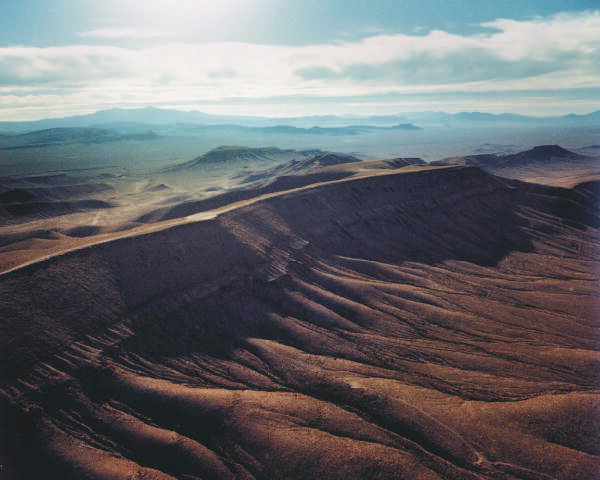
- The Yucca Mountain Nuclear Waste Repository project has been in limbo for years – and was even considered dead for some time, until it was revived by Congress in 2012. The U.S. Department of Energy (DoE) determined in 2002 that Yucca Mountain, Nevada, was a suitable location for high-level nuclear waste under the Nuclear Waste Policy Act of 1982, after years of study. Again NIMBY’s have been leading the political campaign to stop the project – without providing a real alternative plan to dispose of nuclear waste. In 2008 a formal license application was submitted to the U.S. Nuclear Regulatory Commission (NRC), but President Obama announced plans to discontinue the project shortly thereafter, and began defunding the project without providing a technical or scientific basis for shutting down the site, according to a GAO report. While DoE decided to pull its application request in 2010, the NRC denied request ruling DoE did not have the authority to do so. In order to jumpstart the permitting process again, the U.S. House of Representatives voted in 2012 to increase the Commission’s funding to ensure it could complete the permit review, but the permit has yet to be approved.
- Ironically, as activists in Nevada have been working to keep nuclear waste out of Nevada, hazardous waste has quietly been shipped into the state from California because of permitting delays and political pressure to close hazardous landfills in the Golden state. A permit request for the expansion of the Kettleman Hills hazardous waste landfill, in central California, has been pending with the California Department of Toxic Substances Control since 2008. According to a recent Sacramento Bee story, “[d]uring the intervening years, the U.S. Environmental Protection Agency opened and closed investigations to determine whether Waste Management properly handled cancer-causing PCBs 9 (…). The California Environmental Protection Agency, the Department of Public Health and other agencies undertook a detailed study of birth defects, cancer and the overall health of the community,” which concluded the birth defects could not be blamed on the landfill. Meanwhile, in a typical manifestation of the “Not-in-My-Backyard” sentiment, short of the expansion being granted, “California sends most of its toxic waste to other states, where it’s not handled up to California standards.”
- Alternative energy provider Delta Thermo submitted its proposal for a Waste-to-Energy plant for Allentown, PA in 2010, and the state Department of Environmental Protection’s Bureau of Air Quality granted the company a “waiver from securing an operating permit and plan approval under an exemption designed for pilot projects,” but three years later, the project, which has faced much public opposition, is still in limbo. While the Allentown City Council approved the proposal – reversing a previous vote defeating the measure – after a lengthy debate last March, opponents have turned to the initiative process to hold up the project, and have submitted petitions supporting a ballot measure to limit emissions from the proposed plant.
- In Wisconsin, an iron mining project has cleared an important hurdle with the passage of an iron mining reform bill earlier this march. Paving the way for Gogebic Taconite to pursue its proposed iron ore mining project in Iron County, the bill streamlines the permits needed to build and operate an iron mine while maintaining environmental protections. After the company proposed the project in 2011, it met bitter opposition by environmentalists, which, coupled with state legislative objections led Gogebic Taconite to withdraw its mining request with the Wisconsin Department of Natural Resources in March of 2012. Gov. Scott Walker revived the project, and with the passage of the reform bill, the company plans to begin test drills this spring. However, it is still likely to face numerous hurdles before construction of the mine can commence, as this Leader-Telegram article points out.
The above-mentioned cases are merely illustrations of the challenges associated with obtaining a permit for a mining or construction project in the United States, and the overall issue is much more complex. However, as American Resources principal Daniel McGroarty has made clear:
If we stagger forward with our current system, let’s be honest and open-eyed about the outcome: We will perpetuate foreign dependencies that will impair our ability to bring the manufacturing supply-chain home to American cities and towns, forfeiting jobs and GDP and adding to our outbound balance of trade transfers. We will hand to nations who do not always wish us well leverage over our economy and – in the case of the many metals required for our advanced weapons systems – our national security. And we will surrender a large portion of the innovation-driven advances in high-tech and green-tech to nations that can offer access to metals and minerals the U.S. in many instances possesses but makes it impossible to mine.
If we’re serious about reviving American manufacturing, if we’re serious about restoring American jobs, if we’re serious about making sure the high-tech and green-tech dreams of the future are Made In America, if we’re serious about safeguarding our national security – we need a new resource development strategy. And we need it now.